What asphalt millings are
Asphalt millings are recycled material produced when existing pavement is milled, ground up, and removed during resurfacing or demolition projects. The result is a granular, dark aggregate that still contains the original asphalt binder. When spread and compacted, millings lock together and form a stable, semi-hardened surface that performs well for many applications where full hot-mix asphalt is not required or not in the budget.
Because millings are a recycled product, they keep old pavement out of landfills and reduce the need for virgin aggregate. For property owners across New Mexico looking for a practical, budget-friendly surface material, millings are one of the best options available.
Best applications for millings
Millings are not the right choice for every situation, but they excel in several common scenarios we see across the Albuquerque metro, the East Mountains, and rural New Mexico:
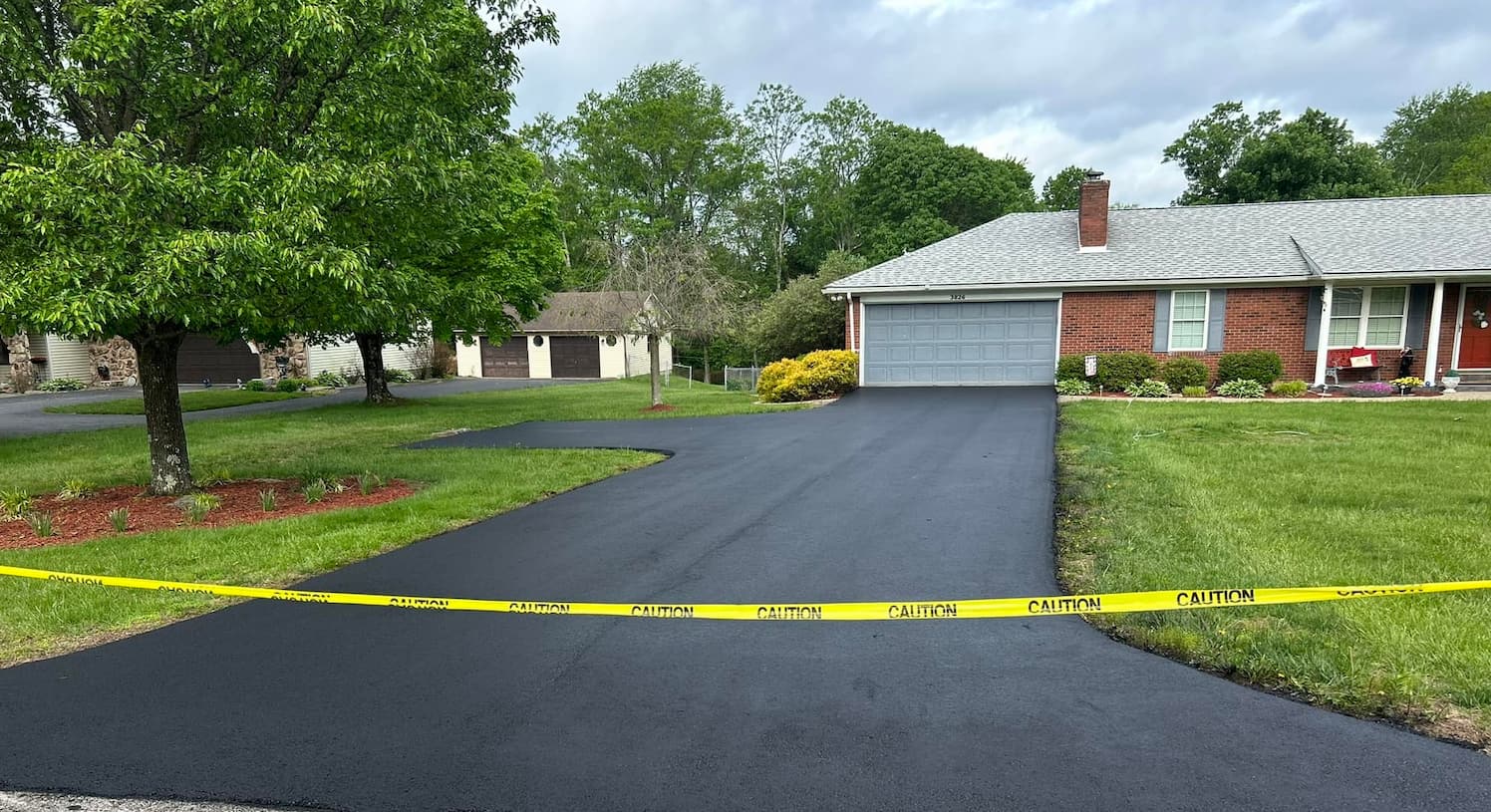
- Rural and residential driveways where a paved-quality surface is not essential but you need something far better than bare dirt
- Ranch access roads and long private drives where cost per square foot matters
- Temporary parking areas for events, construction staging, or seasonal use
- Base material under new asphalt where recycled aggregate provides solid compaction
- Utility and service roads that see occasional vehicle traffic but do not justify hot-mix
Millings work especially well in areas where dust control is a concern. Unlike loose gravel, compacted millings bind together and produce significantly less dust - a real advantage in dry New Mexico conditions where unpaved roads and driveways create visibility and air quality problems.
Advantages of millings in the New Mexico climate
One of the unique benefits of asphalt millings in New Mexico is how our desert heat actually helps the material perform. On hot summer days, the residual asphalt binder in the millings softens and re-bonds, causing the surface to self-compact and harden over time. The hotter it gets, the tighter the material locks together. This natural process means a millings surface installed in spring or early summer will be noticeably firmer and more stable by fall.
Other advantages include:
- Significantly lower cost than hot-mix asphalt or concrete
- Eco-friendly - keeps thousands of pounds of old pavement out of the waste stream
- Good drainage - water percolates through rather than pooling on the surface
- Low maintenance - occasional re-grading is typically all that is needed
- Quick installation with minimal disruption to your property
Installation process
We start by grading and preparing the existing surface. For driveways and roads, this means establishing proper crown or cross-slope so water drains to the sides rather than pooling in the middle. If the existing ground is soft or has significant low spots, we address those before placing material.
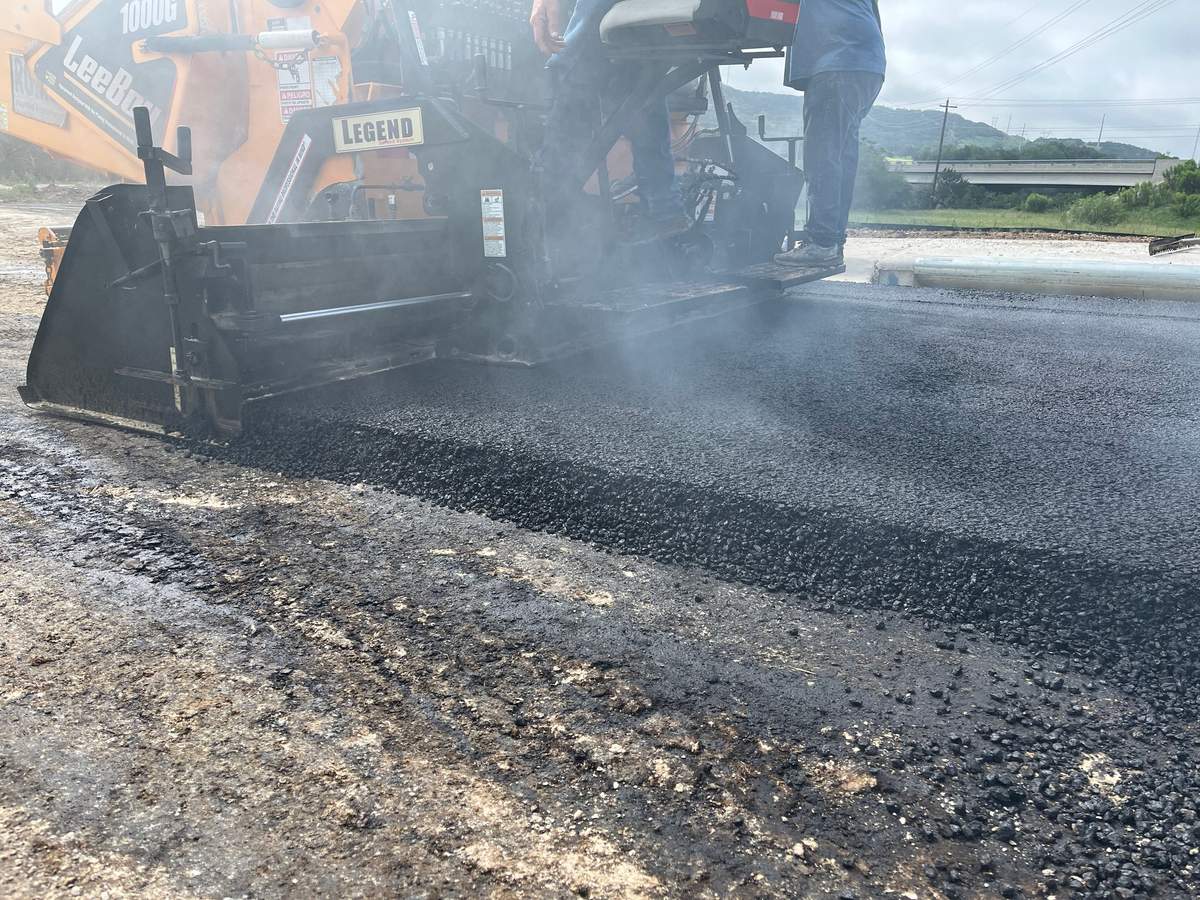
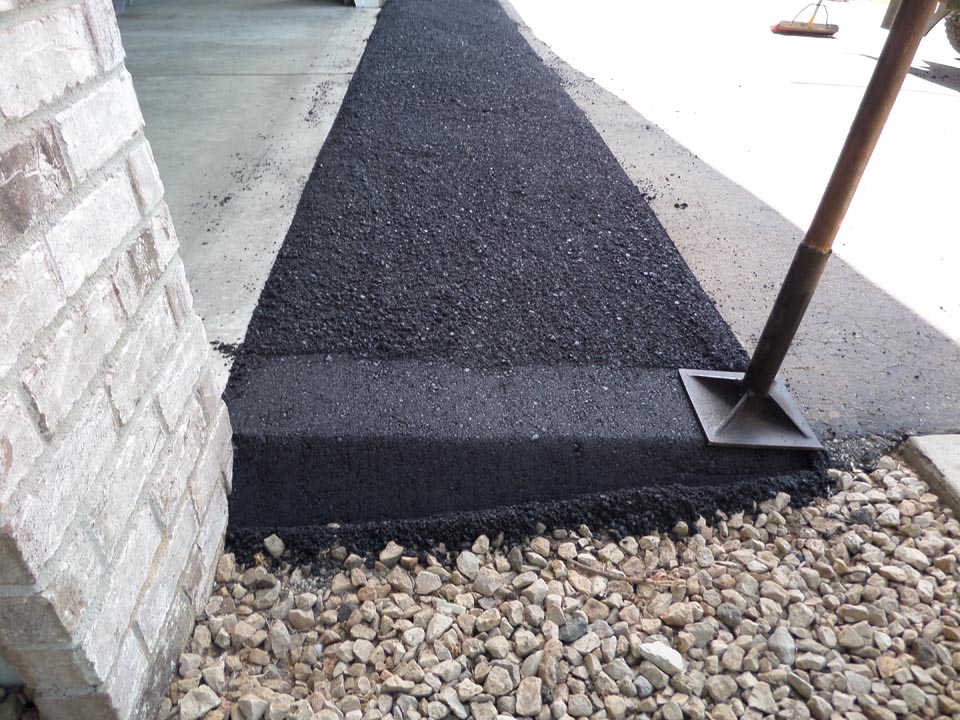
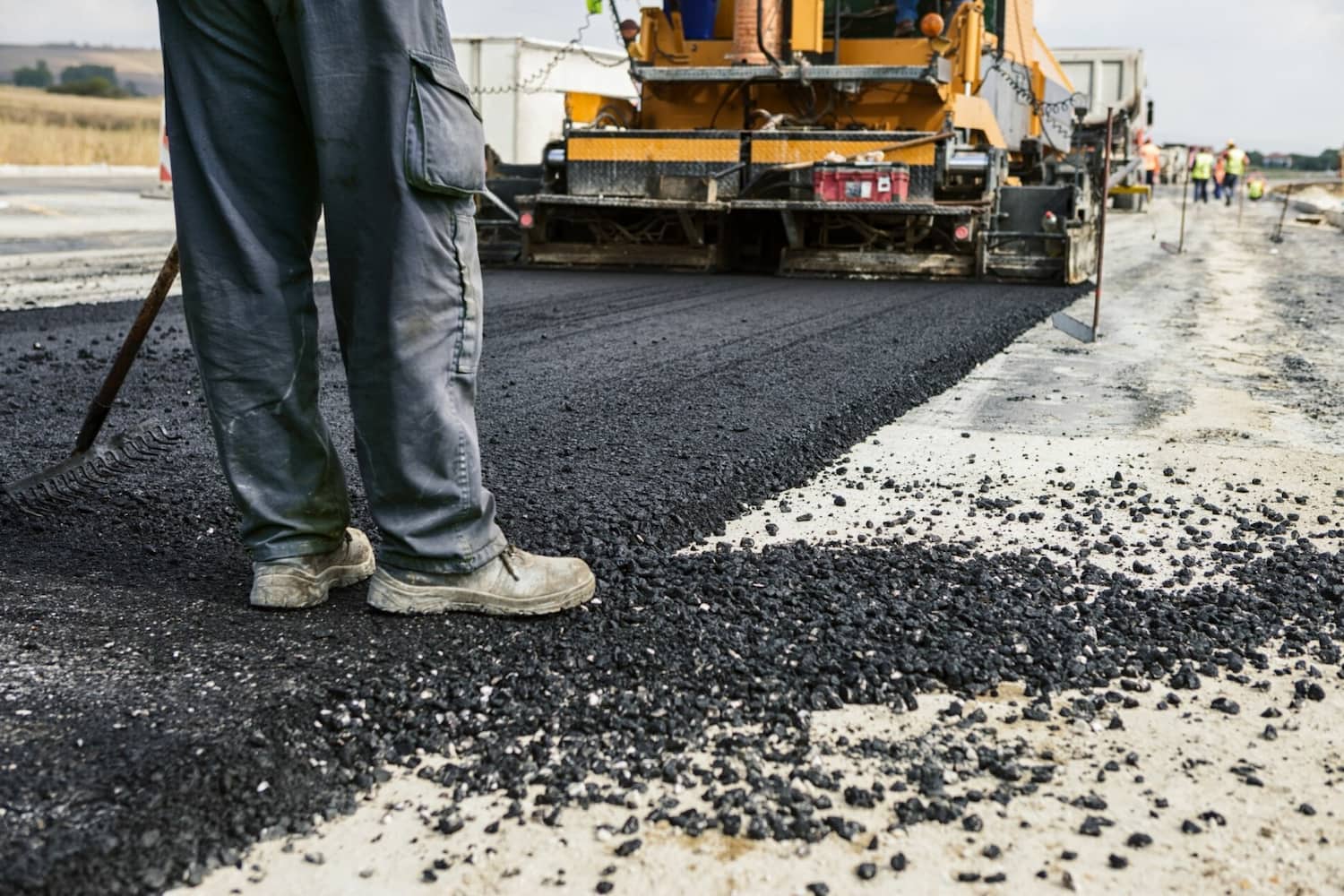
Millings are delivered, spread to the specified thickness - typically three to four inches for a driveway, more for roads with heavier traffic - and compacted with a roller. We pay attention to edges and transitions at culverts, gates, and intersections with other surfaces so the finished product drains correctly and holds its shape.
After installation, we recommend letting vehicle traffic compact the surface over the first few weeks, especially during warm weather. The combination of tire pressure and New Mexico heat accelerates the bonding process and produces a firm, durable surface that will serve you well for years with minimal upkeep.