Built for heavy loads and constant use
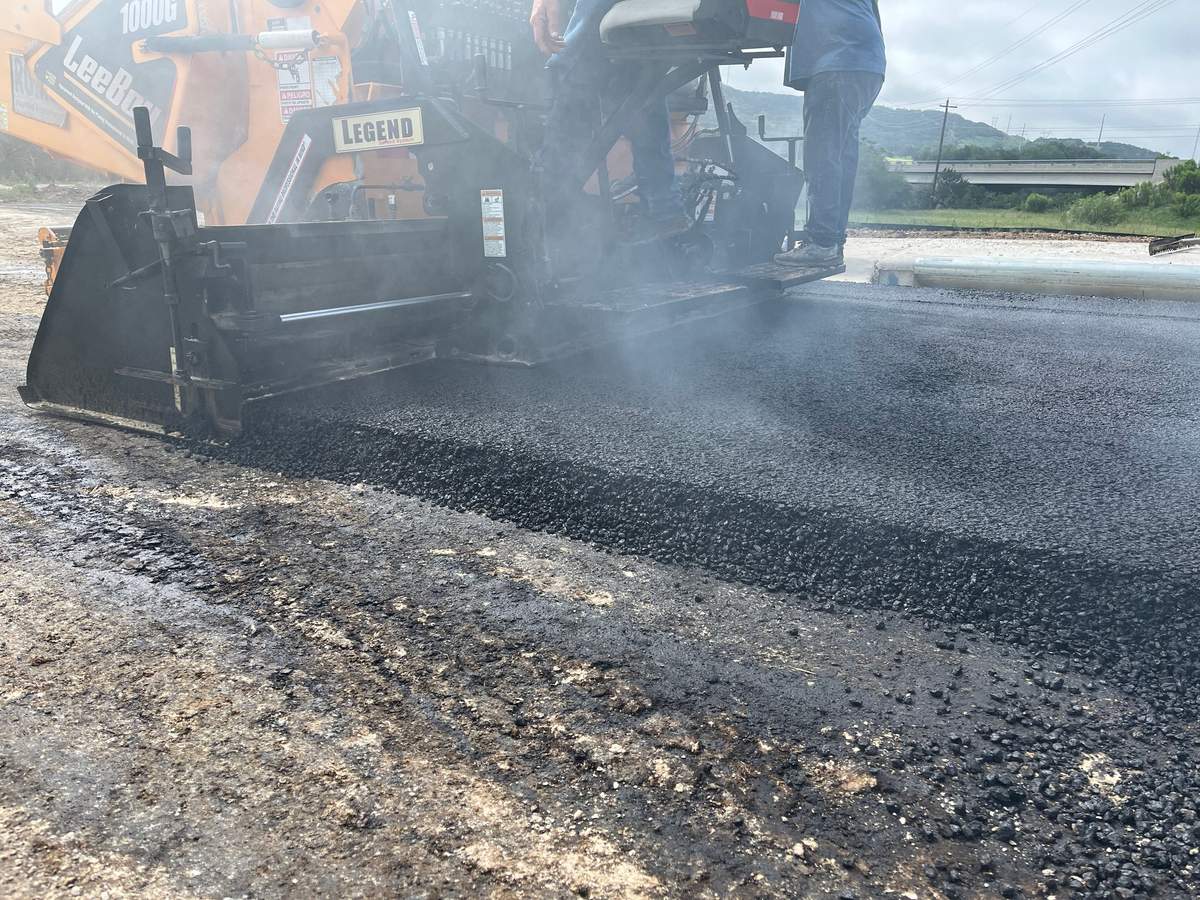
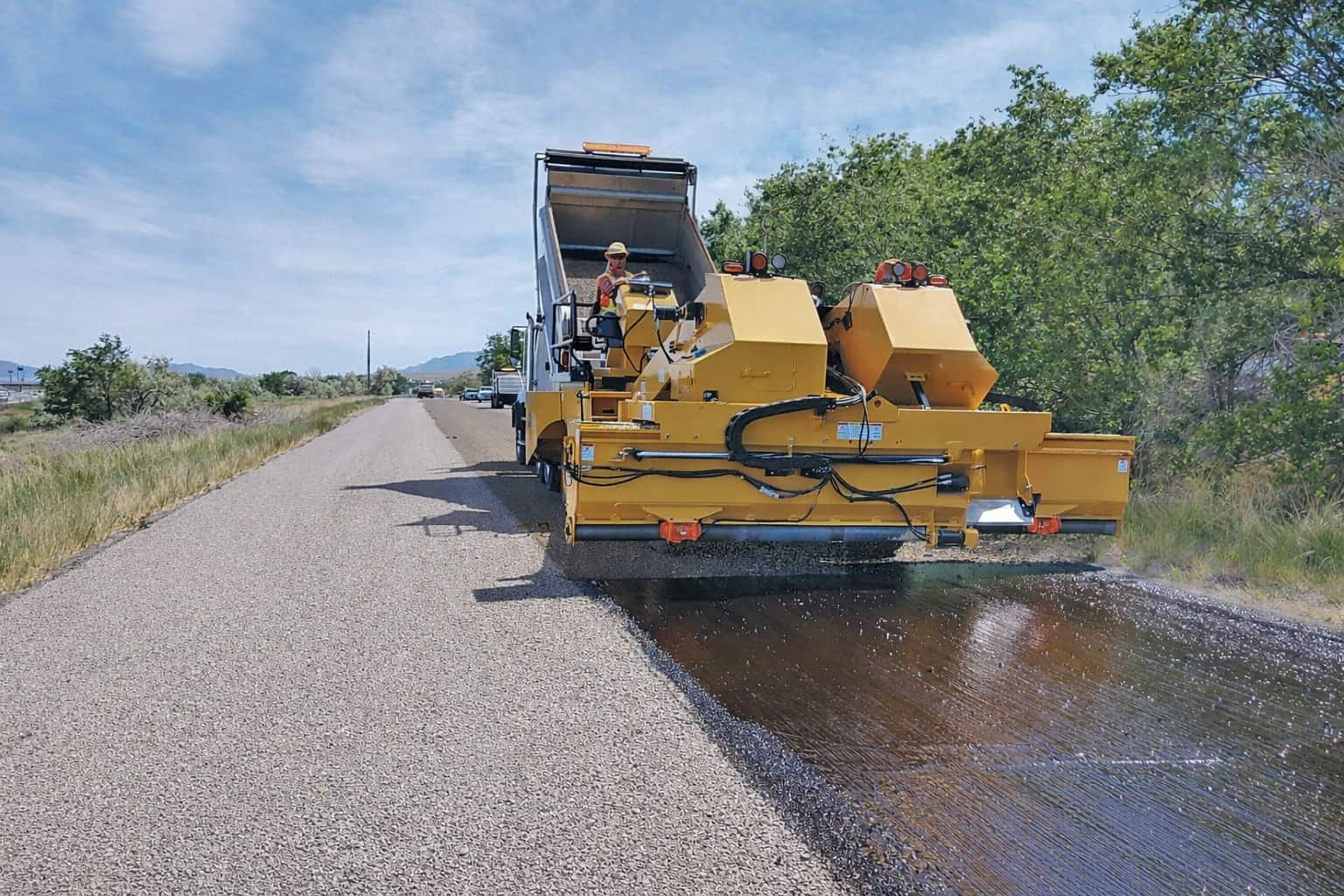
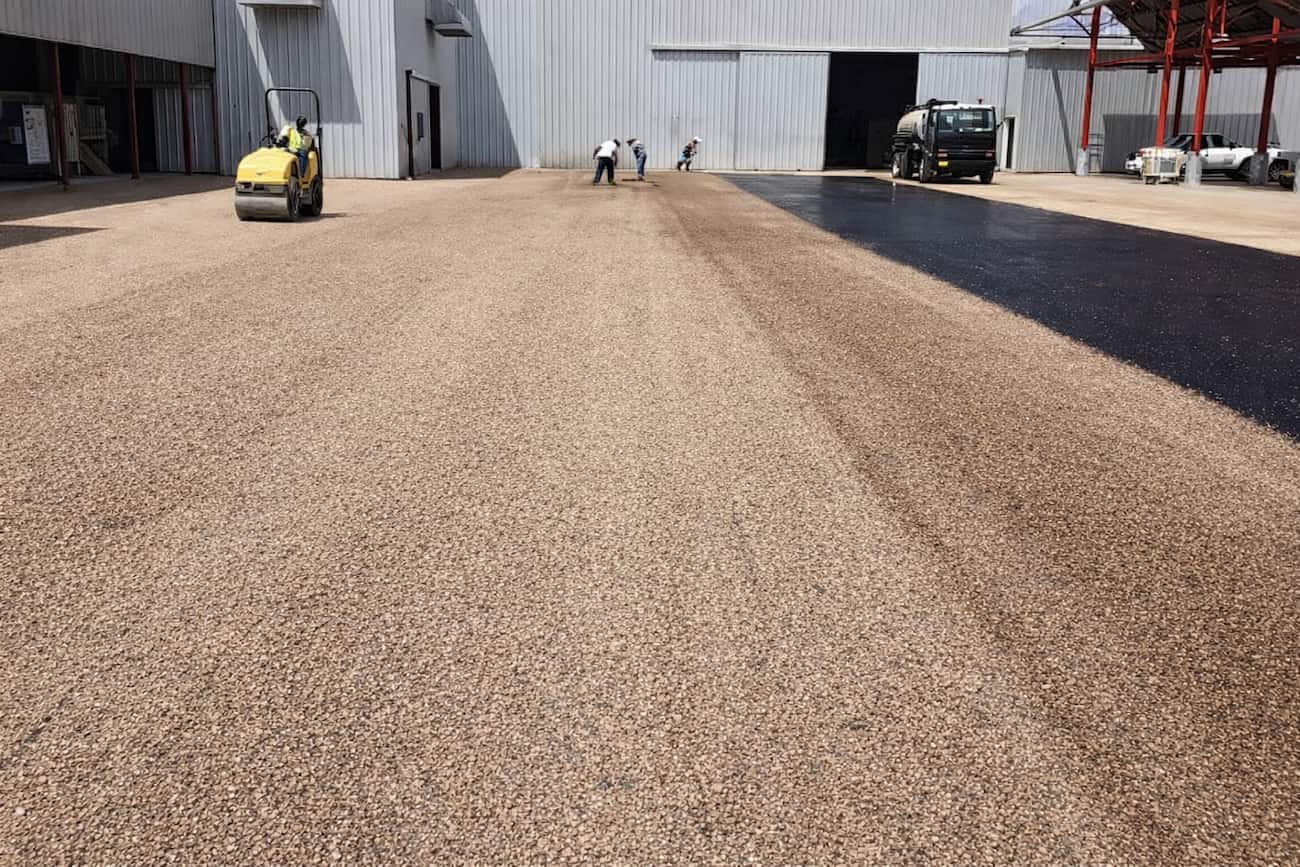
Industrial sites demand pavement that can handle forklift traffic, loaded trailers, and heavy equipment day after day without rutting or breaking apart. Standard residential mixes and thicknesses will not hold up in a truck yard or warehouse apron. We design the section from the subgrade up to match the actual loads your facility sees.
From distribution centers along I-25 and I-40 to manufacturing yards in the South Valley and mesa-top facilities near Rio Rancho, we work with facility managers who need pavement that performs under real industrial conditions, not just looks good on day one.
Thickness, base, and mix design for heavy traffic
Industrial pavement starts with a stable, well-compacted base. In many parts of New Mexico, native soils are expansive or sandy, which means we often need to over-excavate and bring in engineered fill before any asphalt goes down. Skipping this step is where most industrial pavement failures begin.
We specify thicker lifts and heavier mix designs with larger aggregate for areas that see semi-truck turning movements, container storage, or equipment staging. Transition zones between light-traffic and heavy-traffic areas get stepped thickness so you are not over-building where you do not need to and not under-building where it matters.
- Truck yards and loading docks rated for semi and trailer traffic
- Warehouse aprons and forklift lanes with reinforced base sections
- Equipment staging areas designed for point loads and turning stress
- Access roads connecting facilities to public right-of-way
- Fuel islands and containment areas with spill-resistant surface treatments
Drainage for large industrial sites
Water management on a large industrial pad is different from a parking lot. You may have acres of impervious surface, and when monsoon season hits the Albuquerque metro, that water needs to go somewhere fast. We grade to direct sheet flow to collection points, swales, or retention areas without creating ponding in traffic lanes or dock areas.
Proper cross-slope and longitudinal grade keep water moving even on flat sites. Where catch basins or trench drains are part of the plan, we coordinate tie-in elevations so the asphalt meets drainage structures cleanly and does not create dips or high spots that trap water or trip forklifts.
Maintenance and long-term planning
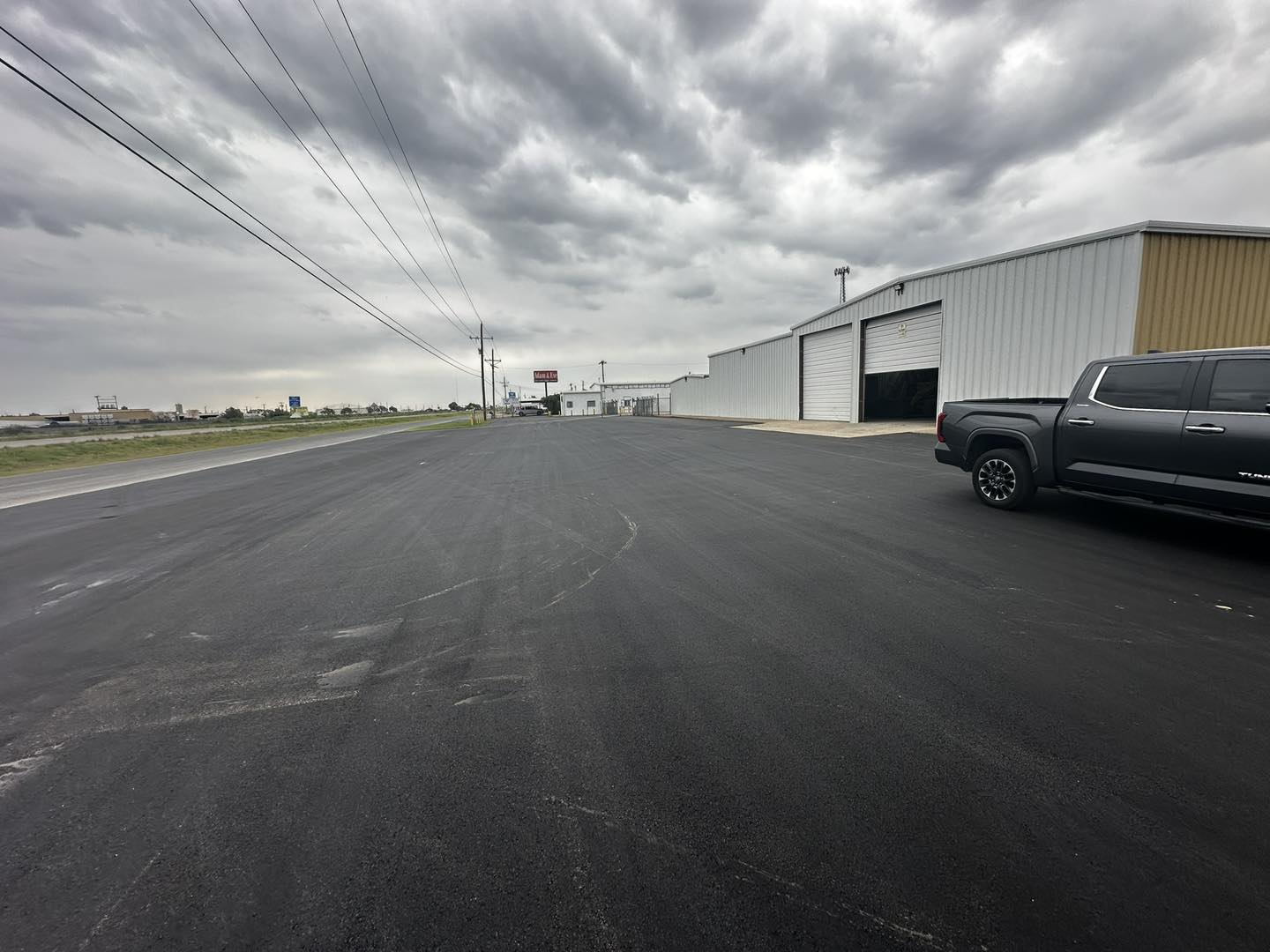
Industrial pavement takes more abuse than commercial or residential surfaces, and maintenance schedules should reflect that. We can set up an annual walk-through to identify areas that need crack sealing, patching, or localized mill-and-overlay before small problems become full-depth failures.
If your facility is expanding or changing its layout, we can phase new paving to connect with existing surfaces and plan for future building pads, loading areas, or employee parking without tearing up work that was just completed. Planning ahead saves money and avoids the patchwork look that comes from adding pavement in disconnected stages.