Types of asphalt damage
New Mexico's climate puts asphalt through a punishing cycle. Summer temperatures regularly exceed 95 degrees, baking the binder and making the surface brittle. Intense UV radiation accelerates oxidation, turning flexible pavement gray and prone to cracking. Then monsoon season arrives with sudden downpours that push water into every gap. In higher elevations around Santa Fe and the East Mountains, freeze-thaw cycles open those cracks further each winter.
The most common types of damage we see across the Albuquerque metro and surrounding areas include:
- Linear and transverse cracks caused by thermal expansion and contraction
- Potholes where water infiltration has eroded the base beneath the surface
- Alligator cracking - interconnected patterns that signal base failure underneath
- Edge deterioration along driveways and lot perimeters where support is weakest
- Raveling and loose aggregate from oxidized, brittle surface material
Repair methods we use
The right repair depends on what is actually failing. A surface crack and a structural pothole are different problems that need different solutions, and using the wrong fix wastes money. We assess what is happening below the surface before recommending a method.
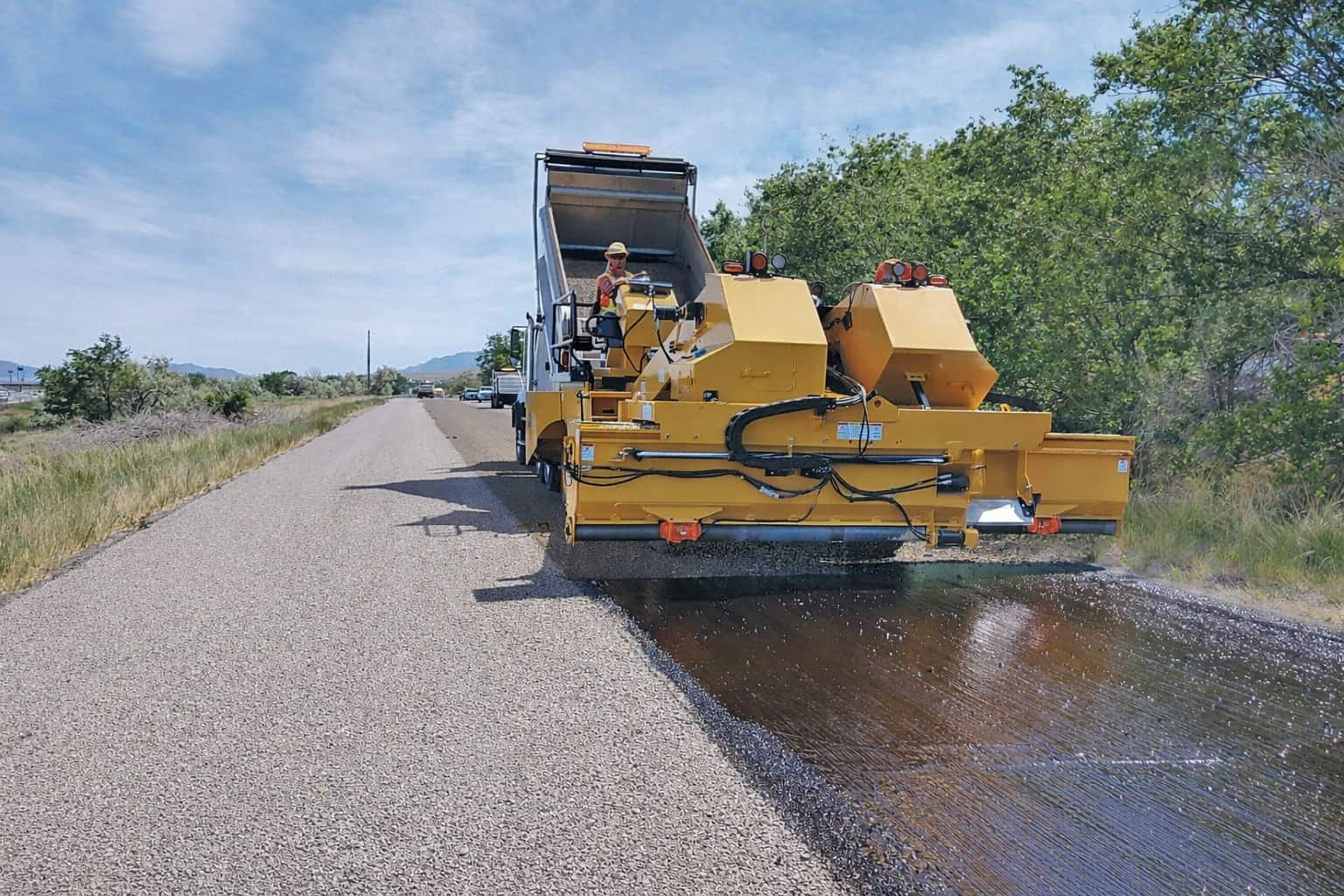
For surface cracks, we clean the opening with compressed air or routing equipment and fill with hot rubberized sealant that flexes with temperature changes. This keeps water from reaching the base - the single most important thing you can do to slow further damage in our dry-then-wet climate.
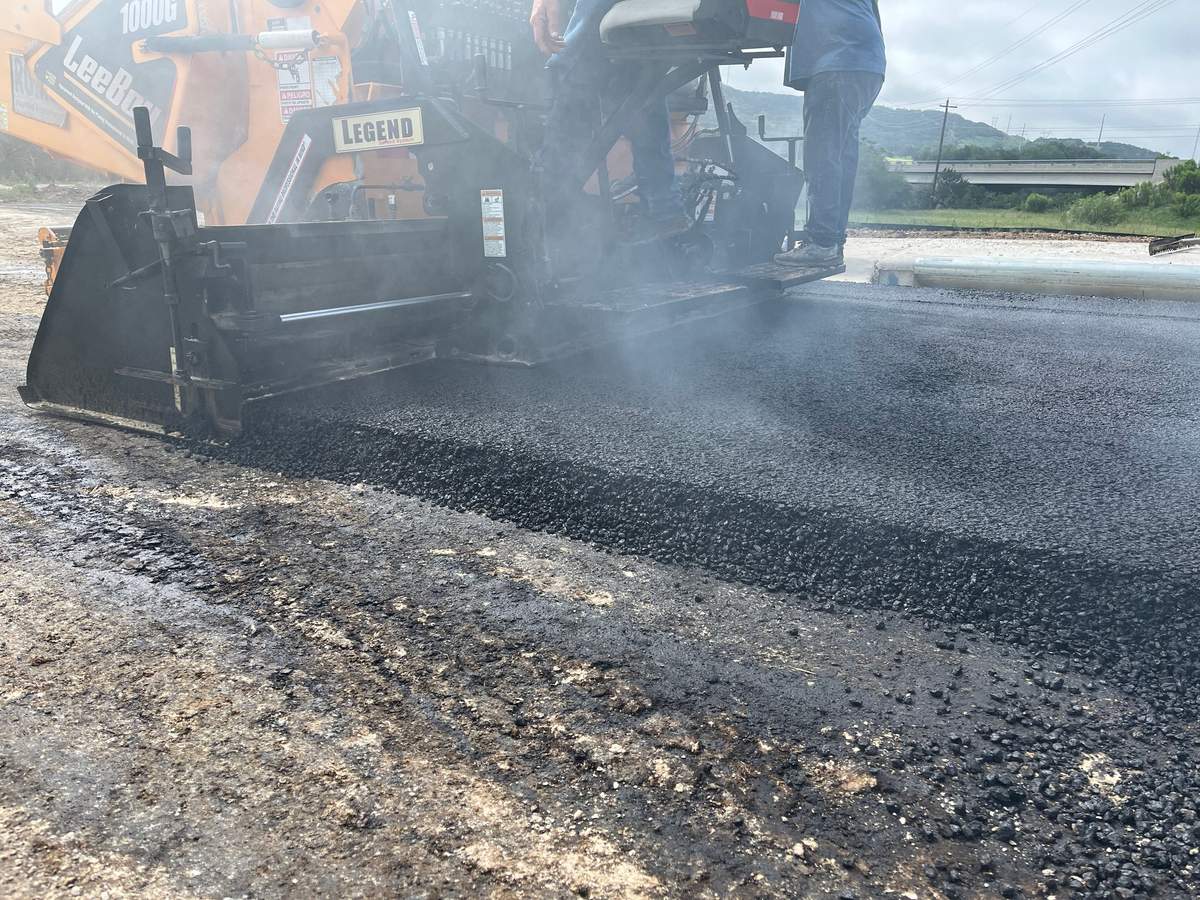
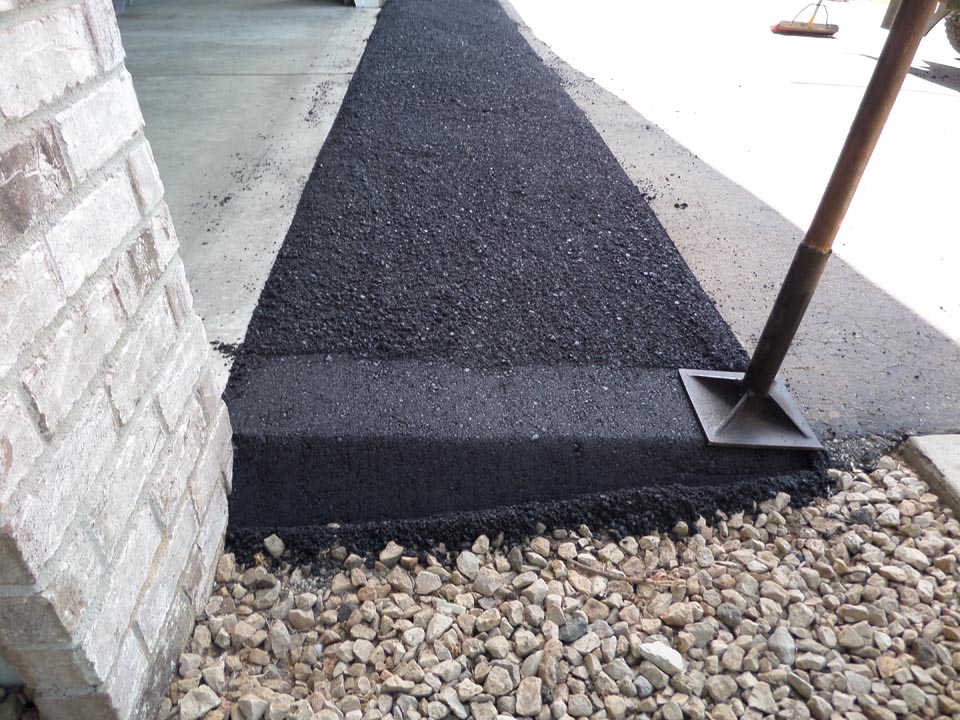
Potholes and failed areas get a full-depth patch: we saw-cut clean edges around the damaged zone, remove compromised material down to stable base, and compact new hot-mix asphalt in lifts. The result is a flush, lasting repair rather than a cold-patch bump that breaks apart after a few months.
For widespread alligator cracking, we discuss whether targeted full-depth patching or a larger resurfacing project makes more sense for your situation and budget.
When to repair vs. replace
Repair is the right call when damage is localized and the majority of your pavement is still in serviceable condition. If less than 25 to 30 percent of the surface area shows significant distress, targeted repairs are usually more cost-effective than tearing everything out.
Replacement becomes the better investment when the base has failed across large areas, when drainage problems are causing repeated failures in the same zones, or when the cumulative cost of patches starts approaching what a new surface would cost. We will be straightforward about which situation you are in.
Preventing future damage
The best repair strategy is not needing one. In New Mexico's harsh conditions, a few preventive steps make a real difference in how long your asphalt holds up:
- Sealcoat every three to five years to block UV and slow oxidation
- Fill cracks as soon as they appear - a small crack today becomes a pothole next monsoon season
- Maintain drainage so water moves off the surface and away from edges
- Address soft spots and base issues before they spread to surrounding pavement
After completing repairs, we can outline a simple maintenance plan tailored to your property and the traffic it handles. Staying ahead of small problems is the most cost-effective way to protect your pavement in the desert Southwest.