Overlay vs. full replacement
Asphalt resurfacing - sometimes called an overlay - places a new layer of hot-mix asphalt over your existing pavement. Instead of tearing everything out and starting from scratch, we bond fresh material directly to the old surface, giving you a smooth, structurally sound finish at a fraction of the cost and disruption of full replacement.
Resurfacing works best when the underlying base and subgrade are still in solid condition. If the foundation has failed - deep rutting, widespread alligator cracking, or soft spots that flex under load - a full removal and rebuild may be the better investment. We evaluate this honestly during the site walk so you are not paying for a surface fix over a base problem.
When resurfacing is the right choice
Not every worn surface needs to be torn out. Resurfacing is a practical option when the existing pavement shows surface-level wear but the structure underneath is holding up. Common candidates include:
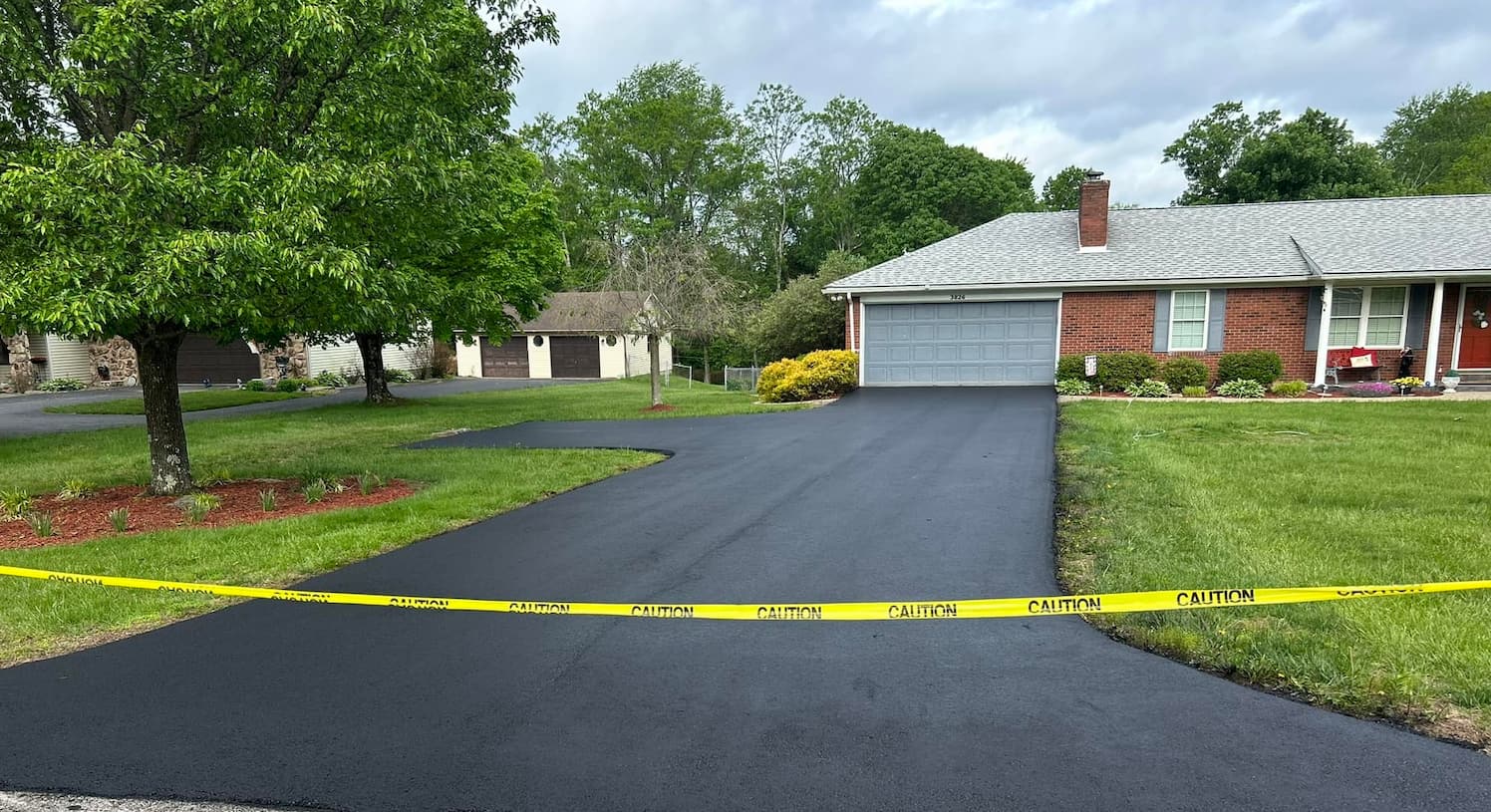
- Driveways with widespread minor cracking, oxidation, or a rough texture but no base failure
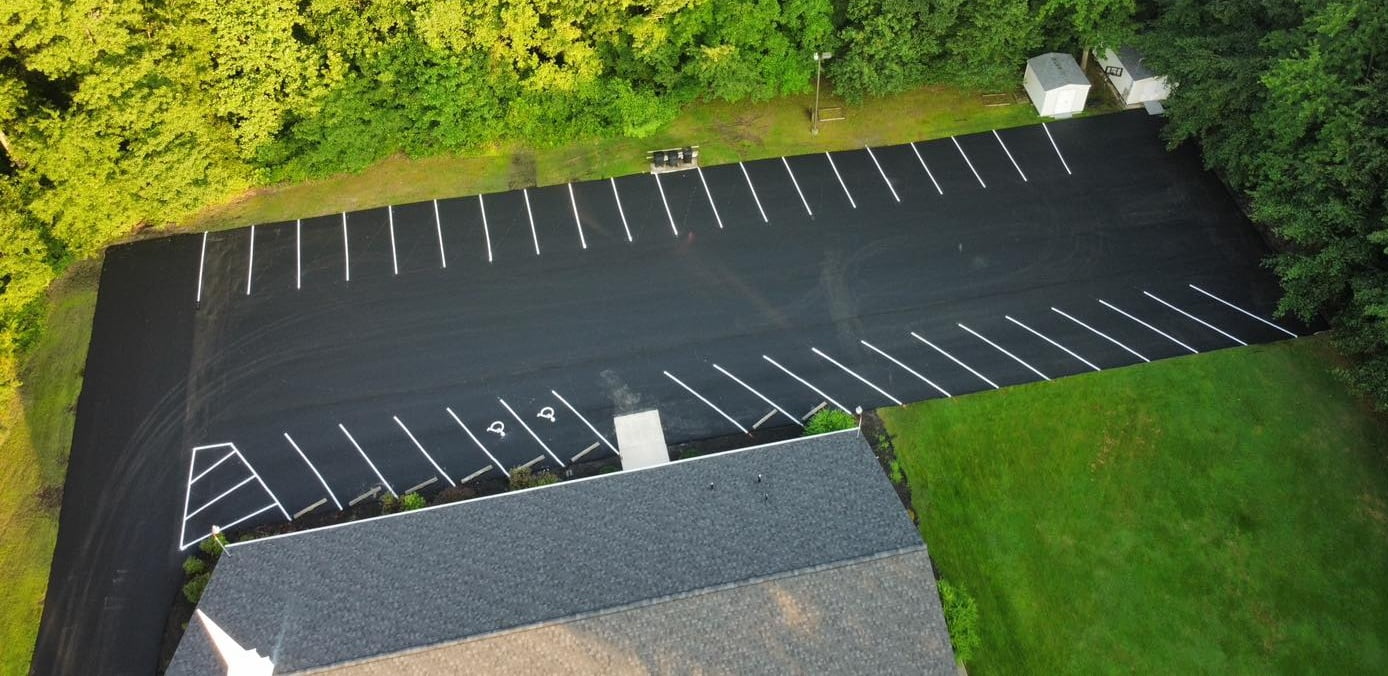
- Parking lots where the surface is worn thin but drainage and grade are still correct
- Commercial entrances and drive lanes that need a fresh, professional appearance
- Roads or access lanes where patching alone would not restore a consistent driving surface
In New Mexico's desert climate, intense UV exposure and wide temperature swings break down the asphalt binder over time. Resurfacing addresses that aging before it progresses into structural damage, which is far more expensive to correct.
The resurfacing process
We start by milling the existing surface where needed. Milling removes deteriorated material, levels out uneven areas, and creates a rough profile that helps the new layer bond tightly. After milling, we clean the surface and apply a tack coat - a thin adhesive layer that ties the old and new asphalt together.
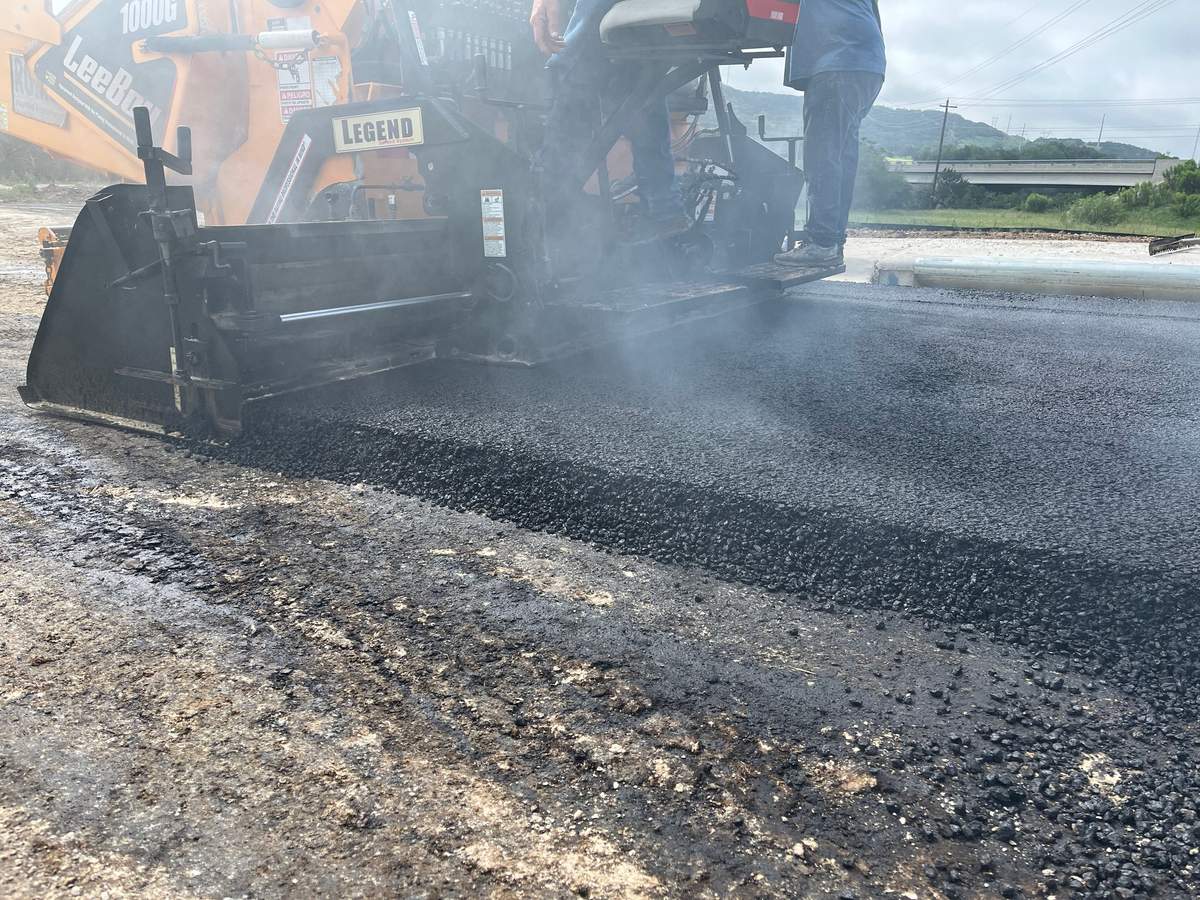
Hot-mix asphalt is then placed and compacted in one or more lifts depending on the required thickness. We pay close attention to transitions at curbs, gutters, and building entries so water drains correctly and there are no abrupt edges. In the Albuquerque area, where monsoon season can dump heavy rain in a short window, getting drainage right during resurfacing is critical.
Cost savings and long-term value
Resurfacing typically costs 30 to 50 percent less than full-depth removal and replacement. You avoid the expense of hauling away old material, rebuilding the base, and extended downtime. For a business parking lot, that can mean staying open during the work instead of closing off entire sections for days.
A well-executed overlay in the New Mexico climate can add 10 to 15 years of service life to your pavement. Pair it with sealcoating a year or two after installation, and you protect the new surface from the same UV and oxidation that wore down the original. We will walk through the maintenance timeline so you get the most life out of the investment.